Deed Fraud in Prince William: Protect Your Property

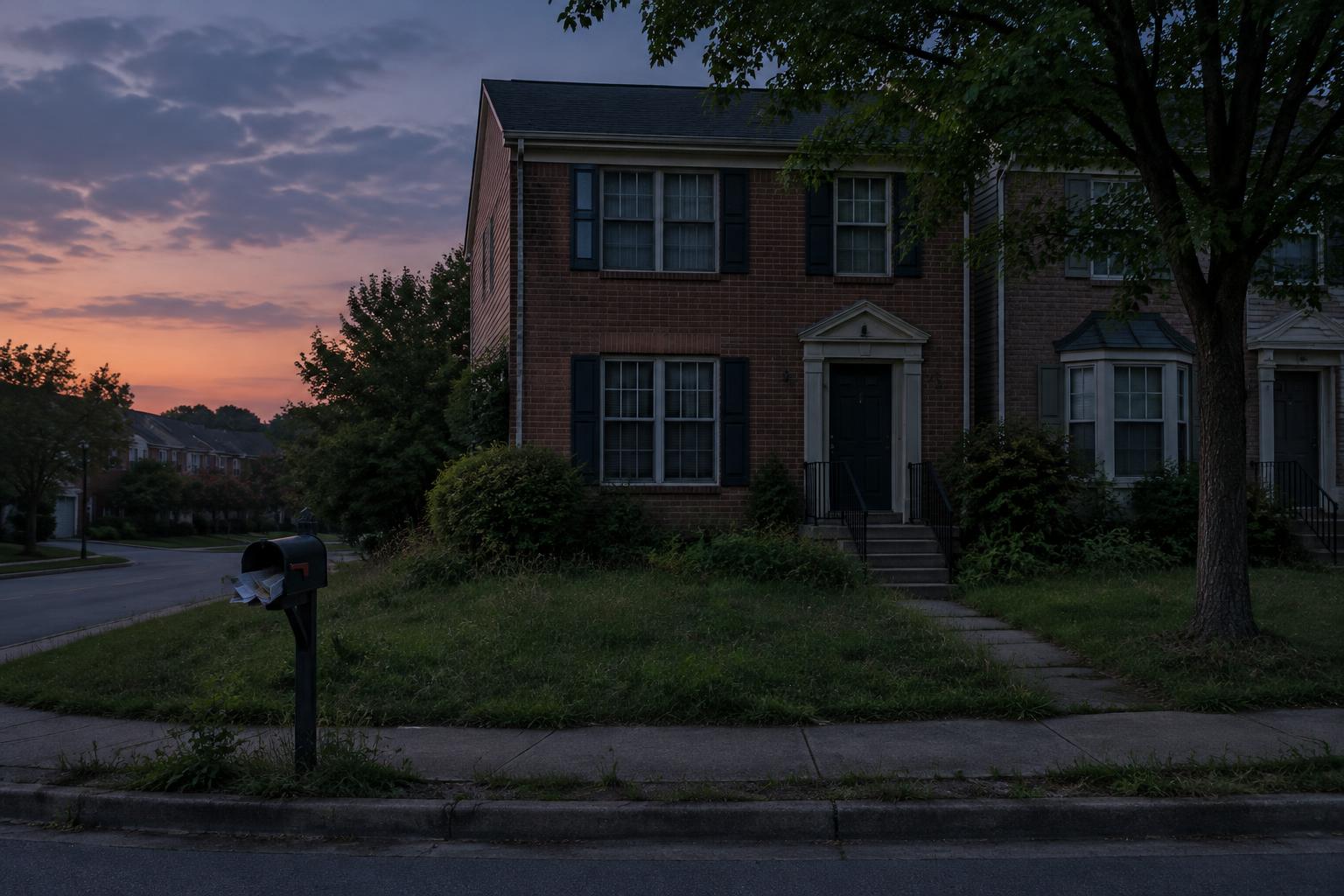
Blog pictures are AI-generated editorial illustrations, not photographs of actual listings or neighborhood amenities.
By Johnny Sarkis, Realtor / Associate Broker, Keller Williams Solutions | Published October 24, 2026
Quick answer: Deed fraud (also called seller impersonation fraud) happens when a criminal poses as a property owner, lists the property, and tries to sell it and collect the money. In Prince William County, vacant lots, rentals, inherited homes, and homes owned by people who live elsewhere are the most common targets. The best protection is free: enroll your name and GPIN in the Prince William Circuit Court Clerk's Property Alert system, keep your tax mailing address current, and keep your owner's title insurance policy where you can find it. Starting July 1, 2026, Virginia settlement agents must use ordinary care to confirm a seller's identity before closing, so if you're selling a property you don't live in, expect extra ID checks and plan for them.
If you own a lot in Prince William County, a rental townhome in Dale City, or a parent's house in Lake Ridge that's sitting empty while the estate is settled, this question has probably crossed your mind: Could someone sell my property without me knowing?
It sounds far-fetched. It isn't. Title companies across the country are seeing more of these attempts every year, and Virginia's General Assembly passed new laws in 2026 specifically to fight it. Here's what's happening, who is most at risk, and the practical steps that protect you, whether you plan to keep the property or sell it.
What Is Seller Impersonation (Deed) Fraud?
The FBI described the scheme in a June 16, 2026 public service announcement (Alert I-061626-PSA). It usually unfolds in three steps:
The criminal becomes "you." Using public land and tax records, data brokers, or stolen information, they create a fake ID, an email account, and an internet phone number in the owner's name.
They hire real professionals. Posing as the owner, they contact a real estate agent or title company, sign a listing or sale contract, and sometimes produce a forged deed to look legitimate.
They take the money. They push for a fast, often cash, closing at a price below market, then try to have the proceeds wired to an account they control, sometimes through a co-conspirator in another state.
The owner often learns about it only after a stranger shows up, a tax bill changes, or a new deed appears in the land records.
How Common Is It Now?
Based on the most recent industry data, attempts have climbed sharply:
59% of title firms reported at least one seller impersonation attempt in the previous year, up from 28% in the American Land Title Association's 2024 survey (ALTA study of 245 title professionals, reported September 2026).
45% reported an attempt in the single month before the survey, up from 19%.
Among title professionals who rated property types, 82% said vacant land was a common target, 51% said vacation homes, and 48% said rental properties.
Virginia regulators have flagged it too. The Department of Professional and Occupational Regulation warned agents about "fraudulent sellers attempting to sell property in Virginia that they don't own," noting the scam "commonly targets unencumbered and vacant lots owned by persons out of state." A November 2025 Deed Fraud Study by Virginia Housing (VHDA), ordered by the General Assembly, found that Virginia clerks must record documents that appear to contain the required elements, even if they seem fraudulent. In other words, the land records alone won't stop a forged deed.
Who Is Most at Risk in Prince William County?
Fraudsters look for properties where the owner is unlikely to notice quickly. Locally, that usually means:
Vacant or wooded lots, especially in western and rural parts of the county, with no mortgage.
Rental properties owned by landlords who live in another county or state.
Inherited homes sitting empty while heirs sort out probate or a sale.
Homes owned free and clear (no lender is watching the title).
Owners who moved away for work or retirement and still own a Woodbridge-area property.
If one of those describes you, the steps below are worth an hour of your time this week.
What Virginia Changed in 2026
The 2026 General Assembly passed HB 163 and SB 316 (2026 Acts of Assembly, Chapters 364 and 365) unanimously. Here's what matters to owners and sellers:
Seller identity checks at settlement (effective July 1, 2026). Under Va. Code § 55.1-903, settlement agents must "exercise ordinary care to reasonably ascertain the identity of a seller." Methods include examining a passport, driver's license, or other government ID, requiring more than one photo ID, getting a written statement from the seller's attorney, comparing signatures, or asking detailed questions about the property.
Tighter notary rules. Notaries can no longer rely only on knowing someone personally; every notarial act requires satisfactory evidence of identity, and notaries must keep a journal of notarizations performed on or after July 1, 2026. Training and an exam are required for new and renewing notaries starting July 1, 2027.
Free property alerts statewide (effective July 1, 2027). Under Va. Code § 17.1-258.3:1, every circuit court clerk with electronic land records must offer a free alert system that notifies enrolled owners when a document affecting their property, name, or tax ID is recorded.
Prince William County didn't wait. The Circuit Court Clerk launched its own free Property Alert system in spring 2025.
One honest caveat: the 2026 package focused on prevention. Proposals to give victims stronger remedies, such as attorney fee awards and statutory damages, were not adopted, according to a Sands Anderson legal analysis. Prevention is still your best tool.

7 Steps to Protect Your Property Now
Enroll in the Prince William Property Alert system. It's free and has no limit on alerts. Register at princewilliam.va.publicsearch.us and create a custom alert using your name and your property's GPIN. You'll get an email whenever a deed, deed of trust, or other document is recorded under that name or parcel. (Own property in Fairfax, Stafford, or Loudoun? Check that county's circuit court clerk for its alert program.)
Keep your tax mailing address current. Your mailing address on file with Prince William County Tax Administration is where real tax bills, notices, and any verification letter will go. The FBI recommends that agents and title companies send a certified letter to the address on the tax record to confirm a seller.
Find your owner's title insurance policy. A standard owner's policy often covers forgery and the legal cost of defending your title. Know which company issued it and keep a copy with your deed.
Skip paid "title lock" services. The FTC has warned that "title lock insurance" is "not a lock, not insurance." Those services only notify you after a document is recorded, which the county's free alert already does.
Make vacant property look watched. For empty homes, keep the lawn cut, collect mail, and consider a simple sign or camera. For lots, an occasional drive-by or a neighbor's eye helps.
Watch for early warning signs. A "For Sale" sign you didn't approve, calls from agents about "your listing," a tax bill that stops coming, or a sudden change in your utility account deserve an immediate call.
Act fast if something looks wrong. Call the Circuit Court Clerk's office (703-792-7550), your local police, and a real estate attorney. If a title company is involved, call them right away so they can stop the closing. File a report at ic3.gov, and you can report suspected fake sellers to DPOR at 804-367-8504.
Selling a Lot, Rental, or Inherited Home? Expect Extra Verification
If you're the real owner and you're ready to sell a property you don't live in, you now fit the profile title companies are trained to double-check. That's a good thing. It also means you should plan for it:
Have two forms of government photo ID ready, and make sure the name matches how you hold title.
Expect a verification call, video meeting, or certified letter to the address on the tax record.
Sign with a notary or attorney the title company can verify. If you live out of state, ask the settlement agent early how they want remote signing handled.
Build a few extra days into your timeline. Verification can add time, especially for inherited property where the executor or heirs must prove their authority.
Never change wiring instructions by email. Confirm any instructions by calling a number you already know.
If you're selling from a distance, our guides on selling your home while living out of state and selling an inherited house in Woodbridge walk through the rest of the process, and when sellers get paid after settlement covers how proceeds are disbursed safely in Virginia.
Red Flags Agents and Buyers Watch For
A legitimate seller can trip one of these for innocent reasons, but several together are a warning sign:
Communicates only by email or text and avoids phone or video calls, often citing travel or illness
Wants a fast, all-cash sale and accepts a price well below market
Knows little about the property and has no survey, tax bill, or old closing documents
Wants to use their own notary, or presents a deed notarized overseas
Asks to wire proceeds to an account in a different name or another country
My Take After 30+ Years in Prince William County
In my experience, the owners who get hurt are rarely careless. They're busy, they live somewhere else, or they're grieving and focused on family. The fix isn't complicated: set up the free alert, keep your address current, and work with professionals who verify identity before anything gets signed. When I take a listing on a lot, a rental, or an estate property, I verify the owner up front so the title company and buyers can move forward with confidence.
This article is general information, not legal advice. Every situation is different. If you suspect fraud or have a title problem, consult a qualified Virginia real estate attorney.
Frequently Asked Questions
Can someone sell my house without my signature in Virginia?
They can try, using a forged signature, a fake ID, and a fraudulent notarization. Virginia clerks must record documents that appear complete, so the first line of defense is the settlement agent, who must now take reasonable steps to confirm a seller's identity under Va. Code § 55.1-903. Enrolling in your county's property alert system helps you catch a fraudulent filing quickly.
How do I sign up for property fraud alerts in Prince William County?
Register for free at princewilliam.va.publicsearch.us, the Circuit Court Clerk's Property Alert system, and create a custom alert using your name or your property's GPIN. You'll receive an email when a document is recorded that matches. Questions go to the Clerk's office at 703-792-7550.
Is home title lock insurance worth it?
For most owners, no. The FTC has said title lock products are not a lock and not insurance; they only alert you after a document is recorded. Prince William County's alert system does that for free, and an owner's title insurance policy is what may cover forgery claims.
What properties do deed fraud scammers target?
Mostly vacant land, rental properties, vacation or second homes, and homes with no mortgage, especially when the owner lives out of the area. In ALTA's 2026 survey, 82% of title professionals said vacant land was a common target.
Why is the title company asking for so much ID when I sell my rental or lot?
Since July 1, 2026, Virginia settlement agents must use ordinary care to verify a seller's identity, and properties you don't live in are the most common fraud targets. Two photo IDs, a verification call, or a certified letter to your tax mailing address are normal steps that protect you.
Thinking About Selling Your Lot, Rental, or Inherited Home?
Curious what your home could sell for in today's Woodbridge market? Request your personalized home valuation at movewithjohnny.com/home-valuation, or call or text Johnny at 703-400-9660. I'll help you price it right, verify everything up front, and get you to a safe, smooth settlement.
About the Author
Johnny Sarkis is a Realtor and Associate Broker with Keller Williams Solutions in Woodbridge, Virginia, with more than 30 years of experience helping Northern Virginia buyers and sellers make smart moves. A PWAR Lifetime Top Producer, he is known for data-backed pricing, strategic marketing, and calm guidance through relocations, PCS moves, and complex sales. His mission is simple: help every client find their happy place.
Johnny Sarkis
Realtor / Associate Broker | Keller Williams Solutions
Cell: 703-400-9660 | Office: 703-357-9200
4310 Prince William Pkwy, Woodbridge VA 22192